
Claims guide
Sudden leak or long-term seepage: how policies differ
Key takeaways
- Timing matters Many policies cover sudden, accidental water damage but limit or exclude long-term leakage.
- Wording varies The exact language and any time period are set by your own policy, not by a general rule.
- Evidence helps Photos, dates and plumber records can show when and how the leak began.
- Ask early If the cause is unclear, get guidance before repairs erase the evidence.
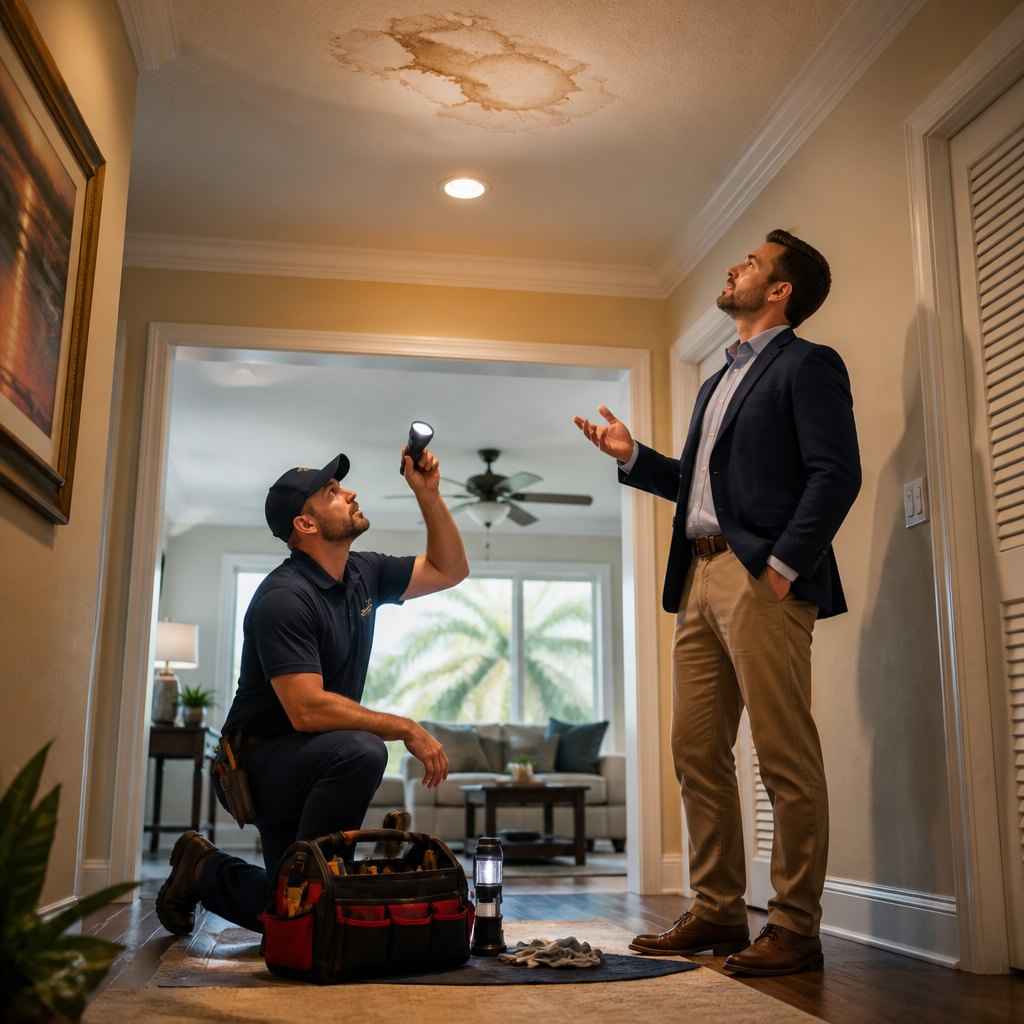
A damp patch on the ceiling, a soft spot in the flooring or a musty smell in a closet often leads to the same question: how long has this been going on? The answer can shape how an insurance policy responds. Understanding the difference between a sudden leak and long-term seepage helps you act with a clear head.
Why the distinction matters
Most homeowner policies are written to respond to sudden and accidental events. A supply line that bursts overnight is a very different event, on paper, from a slow drip behind a wall that went unnoticed for months.
Many policies limit or exclude damage from continuous or repeated leakage or seepage over time. Others offer limited coverage with conditions attached. Because the wording differs from one policy to the next, the same water stain can be treated in very different ways.
November is a common time for this to surface. After the humid rainy months, drier air can reveal stains, warped baseboards or odors that were easy to miss in summer.
What “sudden” usually looks like
Policies rarely define sudden in everyday terms, so it helps to think about how the damage typically presents. Sudden events tend to have a clear starting point and visible, fairly quick results.
- A pipe, fitting or hose that fails and releases water in a short period
- An appliance line, such as a water heater or washing machine connection, that breaks
- A fixture or supply line that separates and floods a room
In these situations, the homeowner can often point to a moment when something changed. That moment, and the records around it, can be valuable.
How long-term seepage is viewed
Seepage is slower and quieter. It may involve a small drain leak, a worn seal or moisture that has been working into wood, drywall or insulation for a long stretch. Signs often include staining that has dried and re-wetted, rust on fasteners, swollen materials, or mold growth.
Policies often describe this kind of loss using phrases like “continuous or repeated seepage or leakage,” sometimes tied to a stated number of days. Read your own policy for the exact language, because that wording, not a general rule, is what applies to your claim.
It is also worth knowing that a hidden leak is not automatically treated the same as neglect. The cause, the timeline and the policy language all play a part, and each deserves a careful look.
Documenting what you find
When you discover water damage, protect your home first. Shut off the water if you can do so safely, and take reasonable steps to prevent further damage. Your policy generally expects this, and it also protects your property.
Before anything is removed or repaired, record what you see.
- Date-stamped photos and video of the damage and its surroundings
- Notes on when you first noticed the problem and what changed
- The plumber’s written findings on the cause and location of the leak
- Water bills or maintenance records that show usage or earlier repairs
- Receipts for emergency drying or repair work
Keep any failed part, such as a cracked fitting, if the plumber allows it. A physical piece of evidence can say a great deal about how a failure occurred.
When the cause is unclear
Not every leak is easy to classify. A plumber may find a failed joint, but whether it gave way last week or slowly worsened over months can be a matter of interpretation. Insurers may send their own inspectors or consultants, and their conclusions are not the final word on your policy.
If you receive a denial or a limited payment based on seepage, ask for the explanation in writing and compare it against your policy language. A licensed public adjuster can review the documents, help organize the evidence and communicate with the insurer on your behalf. A public adjuster works for the policyholder, not the insurance company, and cannot promise any particular result.
Talk it through with someone who knows
If you are dealing with water damage and are not sure how your policy views it, Aviva Insurance Adjusters, Corp. can help you understand your options. We work with property owners across Pasco, Pinellas, Hillsborough and Hernando counties, and we offer bilingual service.
Call 1-877-351-1933 or visit avivapa.com to schedule a free consultation.
This article is for general educational purposes only and is not legal advice. Every policy and claim is different. Aviva Insurance Adjusters, Corp. is a licensed Florida public adjusting firm (Lic. W869253) and is not affiliated with Aviva plc or any insurance company.