
Claims guide
Replacement cost vs. actual cash value on a roof
Key takeaways
- Two measures Replacement cost and actual cash value can produce very different claim figures.
- Depreciation Age and condition of a roof often reduce the first payment.
- Read the wording Your policy defines how and when any withheld amount is released.
- Keep records Invoices, photos and estimates help support the work you actually complete.
When a storm damages a roof, one of the first surprises many Florida homeowners face is that the first check does not match the repair estimate. The reason is often the way the policy measures loss: replacement cost or actual cash value. Knowing the difference before you sign a roofing contract can make the whole process easier to navigate.
Two ways a policy measures loss
Replacement cost generally means the amount needed to repair or replace damaged property with similar materials, without subtracting for age. Actual cash value generally means replacement cost less depreciation, which reflects wear, age and condition.
On a roof, the gap can be significant. A roof that has weathered many Florida summers has typically lost some of its useful life, and that wear may be reflected in the numbers.
How depreciation shows up on a roof
Roofing materials are among the components most affected by age, sun and heat. Because of this, depreciation is often a central part of how an estimate is built.
Some factors that may influence it:
- The age of the roof covering
- The type of material, such as shingle, tile or metal
- Visible condition before the loss
- How the policy and the estimating process treat depreciation
It is reasonable to ask how a depreciation figure was reached and what information it relied on. An estimate is a starting point for discussion, not necessarily the final word.
Holdbacks and how funds are released
Many policies that cover replacement cost pay in stages. An initial payment may reflect actual cash value, with the withheld depreciation, sometimes called recoverable depreciation, released after repairs are completed or underway, depending on the policy.
The wording matters here. Your policy may set conditions for how and when you can recover the remaining amount, including documentation requirements and time limits. Read that section carefully, and ask questions before work begins rather than after.
Keeping records that support the work
Good documentation tends to make later conversations clearer. Before and during repairs, it helps to keep a simple file.
- Photos of the roof before any temporary repair
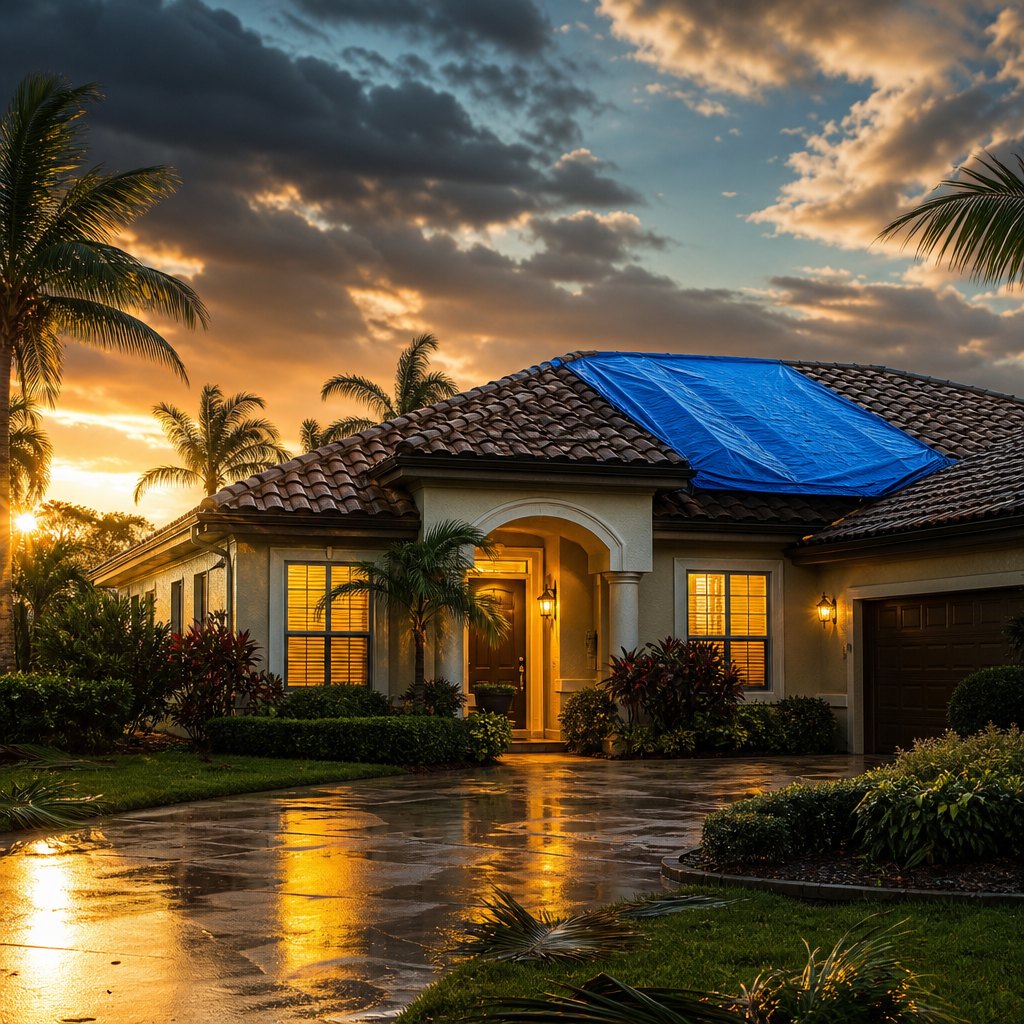
- Receipts for tarping or emergency measures
- Written contractor estimates and the final invoice
- Copies of every letter, email and payment statement from the insurer
Reasonable temporary repairs to prevent further damage are generally expected of policyholders, so keep those receipts together with your photos.
Questions to ask before you sign
Before committing to a roofing contract, confirm whether your policy pays on replacement cost or actual cash value for roofs. Some policies treat roofs differently from the rest of the home, so the roof may have its own terms.
Also ask what documents are needed to request any withheld funds, and whether your policy sets a deadline to do so. A calm review of the declarations page and policy language usually answers more than people expect.
Talk it through with us
A public adjuster represents the policyholder, not the insurance company, and can help review the policy language, the estimate and the documentation behind your roof claim. Aviva Insurance Adjusters, Corp. is a licensed Florida public adjusting firm that works with property owners across Pasco, Pinellas, Hillsborough and Hernando counties. To discuss your situation, call 1-877-351-1933 or visit avivapa.com for a free consultation.
This article is for general educational purposes only and is not legal advice. Every policy and claim is different. Aviva Insurance Adjusters, Corp. is a licensed Florida public adjusting firm (Lic. W869253) and is not affiliated with Aviva plc or any insurance company.