
Claims guide
Mold remediation in Florida: what homeowners should know
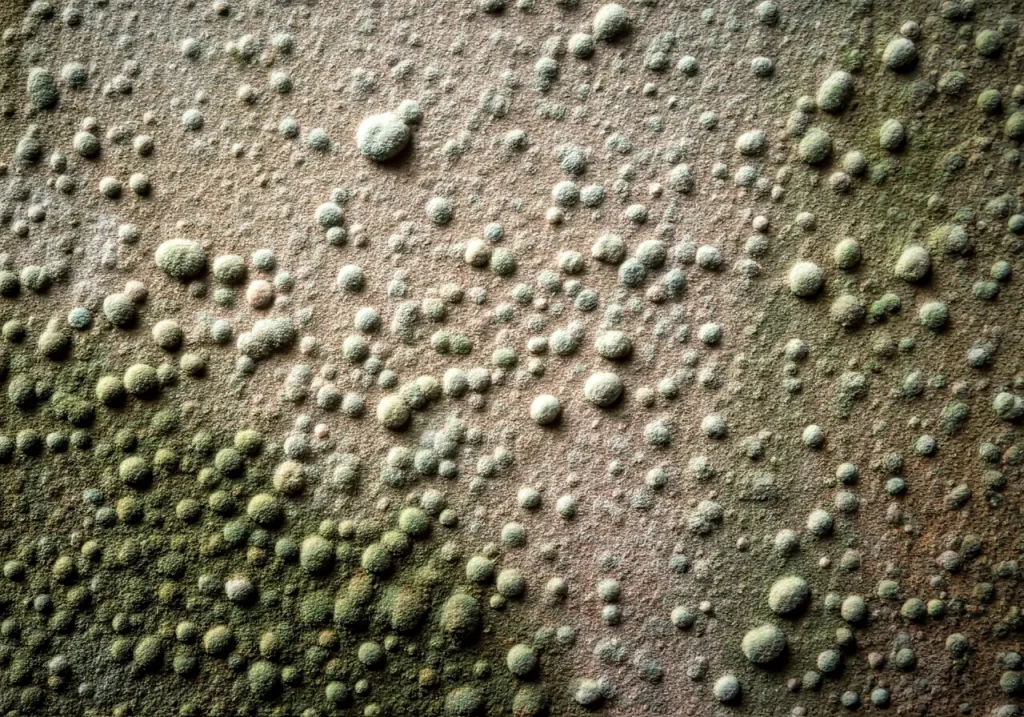
Key takeaways
- Moisture is the cause Mold follows water, so finding and stopping the source comes first.
- Licensing matters Florida regulates mold assessors and remediators, so verify credentials before work begins.
- Coverage varies Mold provisions differ from policy to policy, so read yours closely.
- Document early Dated photos and records help you describe what happened and when.
Florida’s warmth and moisture make it a place where mold can appear quickly after a leak or storm. Knowing what to look for, and what professional remediation involves, helps you act calmly and in the right order.
Why mold takes hold here
Mold needs moisture, organic material and time. Drywall, wood framing, insulation and carpet all provide the second ingredient, and a roof leak, plumbing failure or wind-driven rain can provide the first. In a warm climate, damp materials that stay wet may begin to show growth within a few days.
The signs are often subtle at first. Some are visible and some are not:
- A persistent musty odor, especially in a closed room
- Discoloration or staining on walls, ceilings or flooring
- Peeling paint, warped baseboards or soft drywall
- Allergy-like symptoms that seem to ease when you leave the house
None of these confirms mold on its own. They are reasons to look for moisture and consider a professional assessment.
How professional remediation works
Reputable remediation begins with an assessment. The aim is to locate the moisture source, measure the affected area and identify hidden growth behind walls or above ceilings. Without correcting the source, any cleanup is likely to be temporary.
Containment follows, usually with plastic barriers and controlled airflow so spores do not travel to unaffected rooms. Technicians often use HEPA air filtration, then remove materials that cannot be cleaned, such as saturated drywall. Surfaces that can be saved are cleaned and dried.
A final evaluation confirms whether the work met the plan. In Florida, mold assessors and remediators are licensed through the state, and the same company generally should not do both the assessment and the remediation on one property. Verify any license with the Department of Business and Professional Regulation before signing an agreement.
Mold, water damage and your policy
Many homeowners are surprised to learn how differently policies treat mold. Some cover it only when it results from a covered water loss, and some set specific limits or conditions. The wording of your own policy determines what applies, so it is worth reading the sections on water damage, mold and your duties after a loss.
If you have storm or water damage, a few early steps can help:
- Take dated photos and video of the damage before anything is moved or discarded
- Take reasonable steps to prevent further damage, and keep receipts
- Notify your insurer promptly, as policies set notice requirements
- Keep written records of inspections, reports and conversations
A licensed public adjuster works for the policyholder and can review the policy language, document the loss and communicate with the insurer on your behalf. Outcomes depend on the facts of each loss and on the policy itself.
Prevention begins with moisture control
Quick, thorough drying after any leak is the most effective safeguard. Beyond that, a few habits make a difference in Florida homes:
- Check roofs, windows and plumbing fixtures regularly for leaks
- Run bathroom and kitchen exhaust fans, and vent them outdoors
- Keep the air conditioning system serviced and its condensate line clear
- Aim to keep indoor humidity below roughly 60 percent, with a dehumidifier if needed
These steps reduce risk but cannot eliminate it, particularly after a storm. If you suspect mold, a qualified professional can advise on next steps for your home.
Speak with Aviva Insurance Adjusters
If water damage or mold has affected your Pasco, Pinellas, Hillsborough or Hernando County home, we are glad to talk through your situation. Call 1-877-351-1933 or visit avivapa.com to arrange a free consultation.
This article is for general educational purposes only and is not legal advice. Every policy and claim is different. Aviva Insurance Adjusters, Corp. is a licensed Florida public adjusting firm (Lic. W869253) and is not affiliated with Aviva plc or any insurance company.