
Dealing with the aftermath of a hurricane can be overwhelming, especially when it comes to recovering your losses. Ensuring that you maximize your insurance claim rights is essential to get the most out of your policy. This guide will help you navigate the often complex process with ease, providing actionable steps and tips to ensure you receive fair compensation.
Understanding Your Insurance Policy
Before a hurricane hits, it’s crucial to understand the details of your insurance policy. Knowing what’s covered, your deductible, and any exclusions can prevent unwanted surprises when you file a claim. Study your policy in depth and note any questions you have for your insurance provider. By doing so, you’ll be better prepared to argue your case if any discrepancies arise later. It’s always beneficial to review your policy limits with your agent annually to adjust them according to your evolving needs.
Consider the types of coverage that are specific to hurricanes and natural disasters. Many standard homeowners policies might not cover flooding, which often accompanies hurricanes. In such cases, separate flood insurance is a necessity. Check to see if loss of use coverage is part of your policy, ensuring you’re compensated for additional living expenses if your home becomes uninhabitable. Understanding these aspects will empower you with the knowledge to make informed decisions during the claim process.
Documenting Damage: A Crucial Step
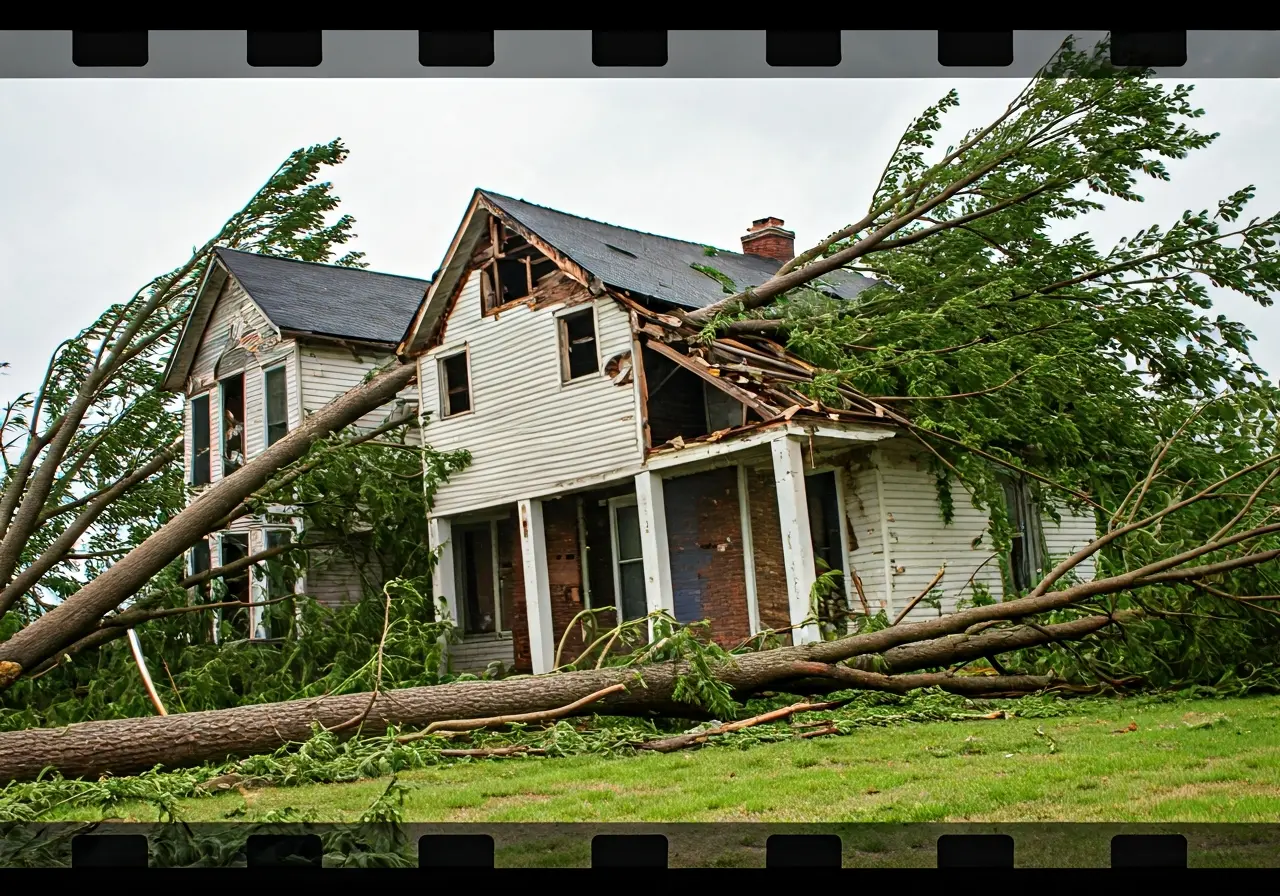
In the immediate aftermath of a hurricane, document all damage thoroughly. Take photographs and videos of affected areas and compile a list of damaged items. This documentation will serve as key evidence for your claim. Use date stamps on photos if possible, and keep a record of serial numbers for high-value items. If emergency repairs are needed, keep receipts, as these will be necessary to support your claim for reimbursement.
Documentation doesn’t stop at physical evidence. Maintain a written log of all communications with your insurance company, noting dates, times, and participants of any conversations. If possible, record these discussions for future reference. This step is crucial if disputes arise, as a detailed account can help preserve your rights. Remember, precise and organized documentation is your best ally in the claims process.
Filing Your Insurance Claim Correctly
Filing your claim promptly and accurately is vital. Ensure all necessary forms are completed and submitted on time. Follow up regularly with your insurance company to check the status of your claim. A swift filing can also expedite the process for swift compensation, allowing you to begin repairs quickly. Be meticulous when detailing damages and providing estimates for repair costs, as precision here can significantly affect the speed and amount of your compensation.
Make your initial contact with the insurance company not only via phone but also in writing. Written communication provides an extra layer of evidence and contributes to a verifiable timeline of events. When submitting your claim, have an organized packet ready that includes all forms, documentation, and any supporting evidence. Keeping track of key dates such as deadlines for filing and responses will help ensure nothing falls through the cracks, providing a smoother claim process.
Understanding the Claims Adjustment Process
An adjuster will assess the damage to your property. It’s important to be present during this assessment to ensure all damages are recognized and properly recorded. Prepare to walk through the property with the adjuster and use your photographs and documentation to corroborate your claim. This proactive approach can help prevent discrepancies between your understanding of the damage and the adjuster’s report.
Before the adjuster arrives, consider hiring a contractor for an independent assessment. Having an expert’s perspective can provide leverage if disputes arise regarding repair costs or the extent of damage. Remember, the adjuster represents the insurance company, so it’s in your best interest to ensure your perspective is equally heard. Learn how to advocate effectively during the adjustment process and be prepared to ask questions or request clarification on anything that seems unclear or inaccurate.
Negotiating for a Fair Settlement
Don’t settle for the first offer if it doesn’t cover your costs adequately. Be prepared to negotiate, providing supporting documents and estimates for repairs to justify your claim. Understand your policy limits and use them to argue for an amount closer to the actual cost of repairing your home. Successful negotiations hinge on preparation, so leverage all your detailed documentation and evidence.
Remember, negotiations can be a back-and-forth process. Additional information or repaired estimates might be warranted, so remain open to follow-ups. If you’re unsatisfied, review whether mediation or a public adjuster might be beneficial for your case. Being informed and willing to push back where necessary is key to achieving a settlement that is fair and equitable.
Know When to Seek Professional Help
If you encounter issues or believe your claim isn’t fairly assessed, consider hiring a public adjuster or legal professional. They can provide expertise and advocate on your behalf to ensure a fair outcome. These professionals can often navigate complexities of policy language and state insurance laws that can be daunting for the average policyholder. This step can be particularly beneficial if your claim has been delayed or undervalued.
Choosing to hire a professional can sometimes make a significant difference in the resolution of your claim. They can assist by rebutting the insurance company’s evaluation with authoritative experience and specialized knowledge. Ultimately, if you feel overwhelmed or uncertain about the claims process, seeking such help can give you peace of mind and improve your outcomes significantly.
Wrap-Up: Empowering Yourself in the Claims Process
Navigating the insurance claim process after a hurricane might seem daunting, but with the right knowledge and approach, you can ensure you receive the compensation you deserve. Remember, your insurance policy is there to protect you, so don’t hesitate to seek professional help if needed. Keep these strategies in mind, stay organized, and approach the process with confidence to maximize your insurance claim rights.