
Filing a hurricane insurance claim can seem daunting, especially when you’re dealing with the aftermath of a storm. But with the right steps, the process doesn’t have to be overwhelming. In this guide, we’ll walk you through the essential steps to file a hurricane insurance claim in Florida, ensuring you get the support you need during such challenging times.
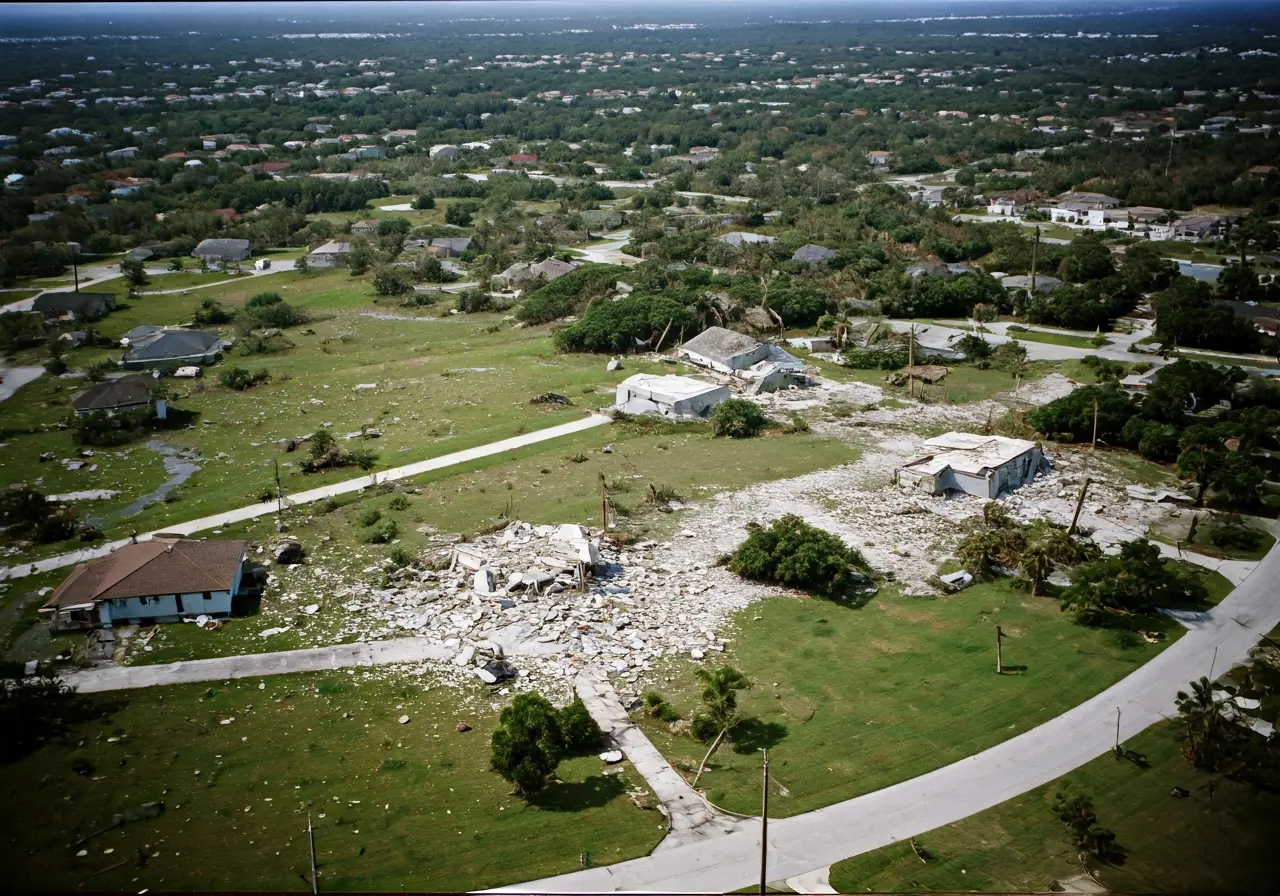
Assess the Damage Safely
Before doing anything else, ensure it’s safe to inspect your property. Look for any immediate hazards and take note of all visible damage for your records.
When assessing damage, remember to also check less apparent structure areas like the roof and the basement. These unseen issues can lead to more significant problems later if not addressed quickly. Consider calling in a professional if you’re unsure about evaluating the safety and extent of the damage yourself.
Contact Your Insurance Company Promptly
Reach out to your insurance provider as soon as possible to report the damage. Provide them with initial details and any urgent needs for accommodation or repairs.
Giving your insurer a head start can expedite the claims process, especially when many people are filing claims simultaneously after a storm. They might also offer guidance on the immediate steps to take to mitigate further damages.
Document Everything
Take detailed photos and videos of all the damage. Keep a record of any communication with your insurance company and expenses incurred, which will be useful during the claims process.
This documentation serves as crucial evidence for your claim. Make sure your records are clear and comprehensive. Consider using digital tools or apps to organize and store your records securely.
Review Your Insurance Policy
Before negotiating, familiarize yourself with your policy’s coverage, deductibles, and limits to better understand your entitlements.
Knowing your policy details can prevent misunderstandings with your insurer. If you’re unsure about parts of your policy, don’t hesitate to ask for clarification. This is a crucial step that ensures you’re well prepared when discussing your claim.
Meet with the Insurance Adjuster
An adjuster will assess the damage to determine the compensation. Be present during the assessment to point out all issues and provide your documentation.
Your presence during the adjuster’s visit is vital. It allows you to ensure that they notice everything, which increases the chances of receiving adequate compensation. Make sure to communicate clearly and provide any necessary background information about the damages.
Negotiate and Finalize the Claim
Once the assessment is done, discuss the adjuster’s report with your insurance company to agree on a settlement. Keep negotiating if the initial offer doesn’t cover your costs.
Don’t be shy about voicing concerns or discrepancies in the settlement offer. Remember, this is your time to address everything you listed as damage. A successful negotiation can make a substantial difference in your settlement amount.
Repair and Rebuild
After your claim is settled, use the funds to begin restoring your property. Choose reputable contractors and monitor the repairs to ensure the quality of work.
Completing repairs is an integral part of getting life back to normal. Research thoroughly to find contractors who are both reliable and skilled. Take your time to review bids and read reviews to ensure you choose the best option for your needs.
Putting the Pieces Together After the Storm
Dealing with the aftermath of a hurricane is tough, but understanding how to navigate the insurance claim process can make a huge difference. By being organized and proactive, you can ensure that your claim is processed smoothly and quickly. Remember, it’s always okay to ask for help from professionals if needed.