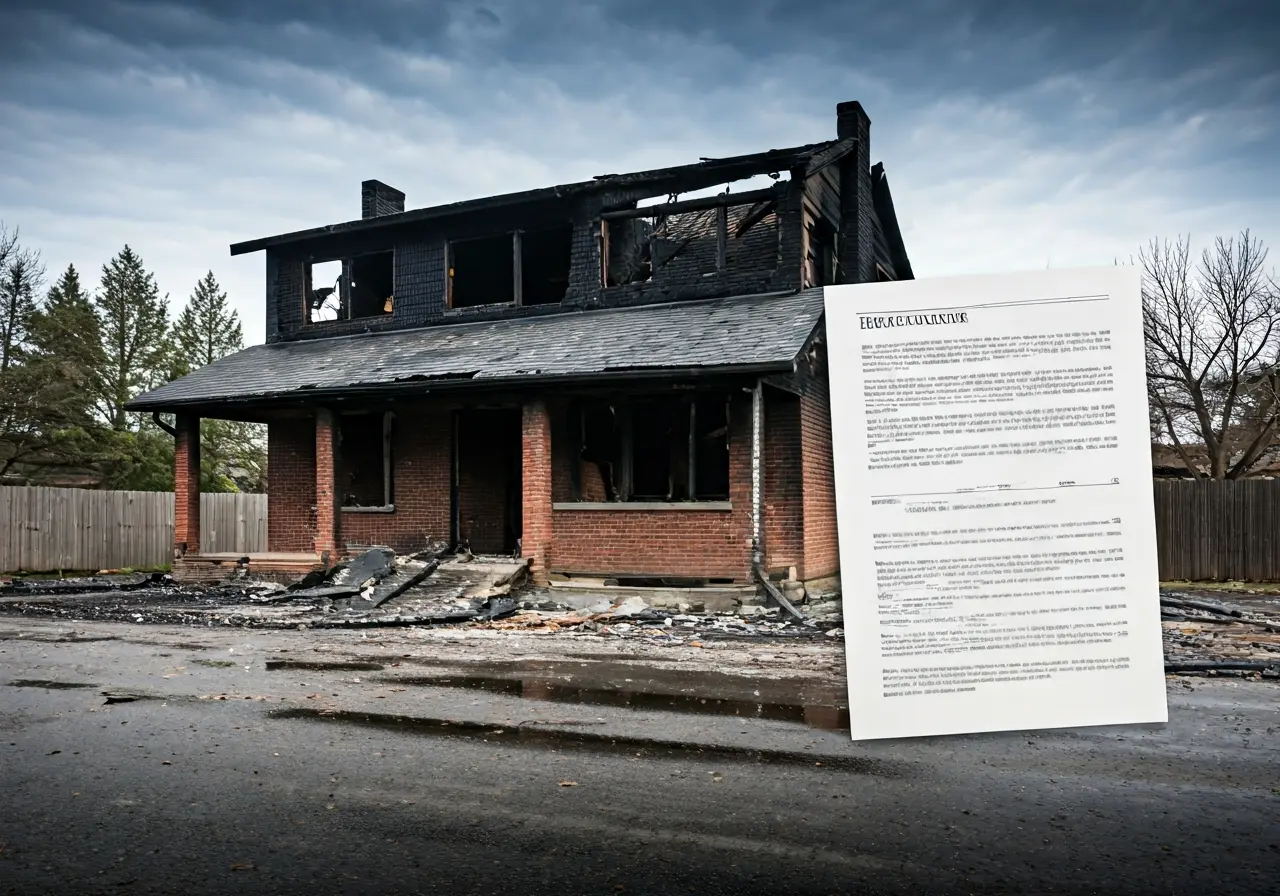
Navigating through property damage claims can be daunting, especially when it involves fire incidents. Choosing the right fire insurance adjuster, who will advocate on your behalf, is crucial to receiving the compensation you deserve. Here are some friendly tips to help you make the best choice.
1. Understand the Role of an Insurance Adjuster
An insurance adjuster assesses the damage to your property and helps determine the coverage. Knowing their role can clarify what to expect and what to look for when choosing one.
The role of a fire insurance adjuster might seem straightforward, but it’s layered with nuances that could greatly affect your claim. Essentially, an adjuster examines the cause and extent of the damage, evaluates the costs, and then determines how much the insurance company should pay. They act as a bridge between you and the insurance company. Understanding these responsibilities ensures that you are better equipped when negotiating your claim and ensures you choose someone who can clearly explain the nuances of your coverage. The right adjuster isn’t just good at their job; they’re also great at making you understand the process without any jargon.
2. Seek Recommendations from Trusted Sources
Talk to friends, family, or professionals who have dealt with fire insurance claims. Personal recommendations can provide a list of reliable candidates.
Reaching out to your network could be the most reliable way to find a good adjuster. After experiencing the stress of a fire, the last thing you want is more uncertainty. Trusted recommendations give you a head start in building a shortlist of potential adjusters. Moreover, when someone you trust vouches for an adjuster based on their personal experience, it often speaks more convincingly about the adjuster’s capabilities and trustworthiness than any online review might. It’s like having a support team behind you, guiding your choices and ensuring less stress during an already trying time.
3. Verify Their Credentials and Experience
Ensure your adjuster is licensed and has substantial experience with fire-related claims. This expertise can make a big difference in navigating your case efficiently.
Checking an adjuster’s credentials might seem like an extra step, but it’s a necessary one to protect your interests. Every state has different licensing requirements for insurance adjusters—a licensed professional guarantees they’ve met minimal state standards to handle your case. Beyond licensing, experience in handling fire-related claims is another crucial element. A seasoned adjuster will be familiar with the complexities of fire damage and know how to maximize your settlement. Enquire about the number of fire-related claims they have handled, and importantly, how they’ve resolved difficult cases in the past. This insight could be invaluable to your own claim.
4. Read Client Reviews and Testimonials
Checking reviews from previous clients can give insight into the adjuster’s reputation and the quality of their service. Look for adjusters who are praised for their thoroughness and customer service.
Online reviews and testimonials serve as a treasure trove of information from both satisfied and unsatisfied clients. They offer a window into how adjusters perform their duties and their effectiveness in securing fair settlements. When searching through reviews, it’s beneficial to note details about the adjuster’s communication, response times, and thoroughness in carrying out investigations. Even a trend in minor complaints can point towards an adjuster that might not meet your exacting standards. Take note of adjusters praised for having excellent customer service and able to work seamlessly with their clients, ensuring nothing is overlooked.
5. Assess Their Communication Skills
Effective communication is key. Ensure the adjuster you choose is responsive and can explain complex processes clearly.
Choosing an adjuster with clear and efficient communication skills can relieve much of the anxiety associated with filing an insurance claim. You want an adjuster who is proactive in keeping you updated about the progress of your claim, offers clarification whenever needed, and is willing to patiently answer your questions, no matter how simplistic they might seem. Good communication builds trust and ensures that both you and your adjuster are always on the same page. Do note any language differences that might impede understanding, and prioritize adjusters who listen more than they talk, placing your needs and comfort first.
6. Consider Their Availability
Ensure the adjuster can dedicate adequate time to your claim. Overloaded adjusters might not be able to give your case the attention it requires.
An adjuster’s availability is a crucial aspect to consider. After all, how can one effectively manage your case if they’re juggling numerous clients at once? When evaluating potential adjusters, it’s important to enquire about their current caseload to gauge how much time they can devote to your claim. A busy schedule might mean less attention to the nuances of your case, potentially affecting the final settlement. It should be a priority for your adjuster to treat your claim as unique and important, rather than just another task on their to-do list.
7. Look for a Detailed Approach
A good adjuster should have a keen eye for detail, ensuring all aspects of the damage are documented and evaluated. This thoroughness can impact your settlement.
It is vital to select an adjuster who understands the intricacies and varieties of fire damage. When dealing with such claims, every piece of evidence matters. Choosing an adjuster known for their methodical and detailed approach ensures every angle of your property’s condition post-fire is considered. This level of attention impacts the accuracy of the damage assessment and can lead to a more comprehensive and fair settlement. Look for adjusters who are familiar with using modern technology for assessments, as they can often provide a more detailed and accurate report.
8. Ensure They Have a Good Negotiation Strategy
Negotiation is a critical part of the claims process. Confirm that the adjuster has strong negotiation skills to advocate effectively for your claim.
Negotiation skills are essential for ensuring you get the best possible settlement. A skilled negotiator will know how to leverage their understanding of policy details against insurance company strategies. This requires both tact and assertiveness—characteristics that ensure your interests are well represented. It’s beneficial to probe into past instances where the adjuster successfully secured favorable outcomes for clients. This provides confidence that they have the necessary experience and acumen to handle tough negotiations, especially in cases where insurance companies might undervalue claims. Experienced adjusters will have a well-honed strategy tailored to optimize claim results.