Navigating the aftermath of a fire can be overwhelming, especially when confronting the smoke damage left in its wake. Filing a smoke damage claim might seem daunting at first, but understanding the essentials can make the process much smoother. This guide will walk you through the key aspects of a smoke damage claim, offering clear and practical insights to help you handle this challenging situation.
What Constitutes Smoke Damage?
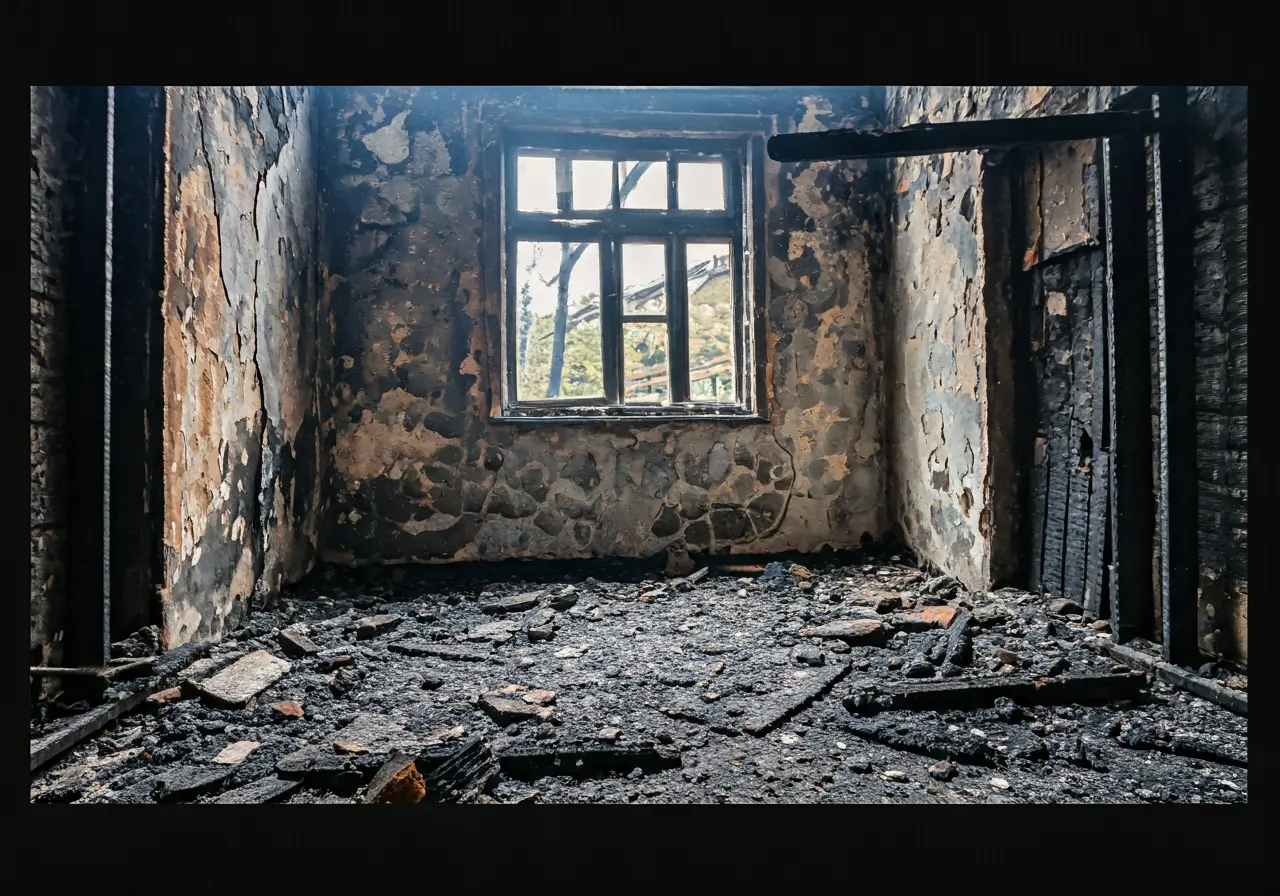
Smoke damage is often underestimated, yet it can permeate every nook and cranny of your home. It doesn’t just stop at visible damage; microscopic particles can infiltrate household materials, leaving an enduring impact. For instance, walls and ceilings can become clouded with unsightly stains, while metallic surfaces might experience corrosion due to acidic residues from the smoke. These can compromise structural integrity over time. However, the impact extends beyond physical damage – the acrid odor from smoke often lingers, penetrating carpets, curtains, and upholstered furniture. It’s not just an issue of discomfort but can also pose health risks, aggravating conditions like asthma or allergies. To deal with this, thorough cleaning and possibly even professional remediation might be necessary to restore your living space to its pre-damaged condition.
Furthermore, understanding the chemistry of smoke is essential when evaluating damage. Smoke is a complex mixture of soot, toxic chemicals, and other particles, rapidly affecting organic materials. For example, wooden surfaces might warp or stain, and textiles could suffer discoloration or absorb odors deeply, sometimes requiring specialized cleaning solutions. Additionally, the invisible components, such as those adhering to household electronics, can cause malfunctions or short circuits, adding to the unexpectedly high cost of recovery.
Types of Insurance Coverage for Smoke Damage
Understanding your insurance is crucial before filing a smoke damage claim. Typically, smoke damage is covered under the peril of fire in most standard homeowner insurance policies. However, individual policy details can vary significantly. For instance, one might have different types of coverage, such as dwelling coverage, which handles damage to the structural part of your home, or personal property coverage, which deals with the contents inside your home. It’s important to distinguish between these coverages when filing your claim.
Before proceeding, verify if you have any specific exclusions or limits related to smoke damage in your policy. Some policies might not cover certain types of smoke damage, such as damage resulting from ongoing conditions. Understanding these details before an incident can empower you to act quickly and ensure you’re adequately covered. For deeper insights, consider consulting with your insurance agent to clarify any ambiguities and ensure comprehensive protection against unexpected smoke damage costs.
Additionally, it’s beneficial to know if your policy includes additional living expenses (ALE) coverage, which can reimburse hotel stays if your home becomes uninhabitable due to smoke damage. Understanding these potential benefits can relieve some stress during restoration. Use this knowledge to review your current policy and, if necessary, discuss options for enhancing your coverage to encompass possible smoke damage scenarios in the future.
Documenting the Damage for Your Claim
Documenting damage thoroughly is foundational to a successful smoke damage claim. The first step involves capturing comprehensive video and photographic evidence of all affected areas. Pay close attention to both major and minor damage, including hard-to-reach areas like attics or closets, which might harbor smoke residues. These images serve as powerful tools by providing your insurance adjuster with a clear picture of the extent of the damage.
In addition to visual records, gather all relevant documentation including repair estimates, receipts for affected items, and previous maintenance records. A detailed inventory list of damaged possessions, complete with purchase dates and values, can substantiate your claim further. This paperwork not only underlines the extent of your loss but demonstrates thorough organization, which can streamline the claims process. Keeping a well-maintained folder, whether digital or physical, aids in quick access and smoother communication with insurance representatives.
Steps to File a Smoke Damage Claim
The procedure for filing a smoke damage claim begins immediately after the incident. Contact your insurance company promptly to inform them of the damage. Timely reporting is essential, as some policies have specific time limits for when a claim can be made. After your initial report, an insurance adjuster will typically be assigned to your case to evaluate the damage. Make sure you’re present during the inspection to offer insight and reference your documentation.
Before the adjuster arrives, ensure areas remain as undisturbed as possible, as any premature cleanup can complicate the claim. If temporary repairs are necessary for safety reasons, document them meticulously before proceeding. Furthermore, obtaining independent repair estimates from trusted contractors can supplement the adjuster’s evaluation, ensuring that you receive an equitable assessment. Maintain clear communication with your adjuster throughout this process, addressing any questions or concerns you have to avoid misunderstandings later.
Common Challenges and How to Overcome Them
Filing a smoke damage claim can be fraught with unforeseen challenges. Policyholders often experience delays due to insurance company processing times or disputes over coverage limits. Preparation can mitigate these issues; ensure comprehensive documentation and maintain clear communication with your insurance provider. If you encounter disputes, referencing specific policy clauses that cover your damage can make a compelling case for your claim.
Another frequent challenge includes dealing with low settlement offers. In such cases, it might be beneficial to consult with a public adjuster, a professional who can help negotiate your claim on your behalf. Public adjusters typically possess expertise in interpreting policy language, quantifying damages accurately, and understanding the tactics used by insurers. If an agreement cannot be reached, their expertise might be vital in proceeding to mediation or arbitration, ensuring your rights are upheld.
Moving Forward with Confidence
Navigating a smoke damage claim doesn’t have to be stressful. With a clear understanding of the essentials, from assessing damage to knowing what your policy covers, you can approach the process confidently and effectively. Remember, it’s always a good idea to consult with a professional or your insurance representative to clarify any uncertainties and ensure you’re thoroughly protected.