
Mold Damage Claims
(Coverage applies only when mold results from a covered peril, such as water damage from a sudden leak.)
Mold is one of the most misunderstood and mishandled insurance claim categories. Despite the serious health risks and structural damage mold can cause, mold by itself is NOT a covered peril under standard homeowners insurance. However—when mold results from a covered event (burst pipe, roof leak, storm damage, appliance overflow, etc.), your policy will trigger a mold sublimit that pays for remediation and repairs.
At Aviva Insurance Adjusters, Inc., we help homeowners link the mold to the correct covered peril to unlock coverage that insurance companies often try to deny.
We will identify the cause, confirm coverage, and document all mold-affected materials.
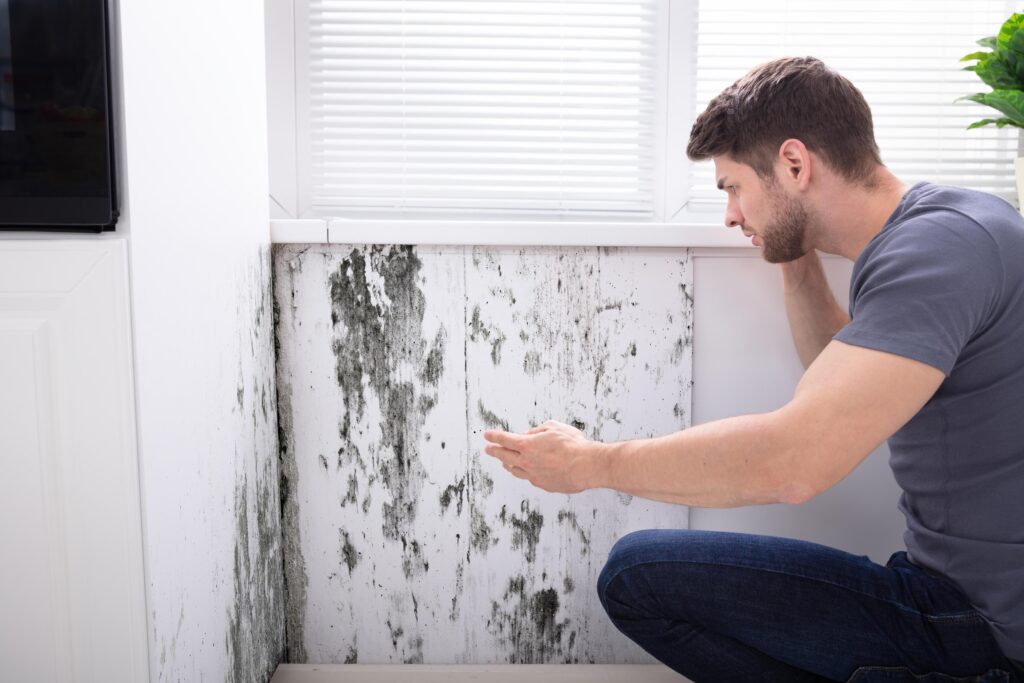
Have You Discovered Mold in Your Home?
Mold develops quickly—often within 24 to 48 hours of moisture exposure. The biggest danger isn’t the visible surface mold; it’s the hidden mold behind walls, inside cabinets, under flooring, and within insulation.
Most mold damage claims are denied because homeowners file them incorrectly. Mold must be tied to a “sudden and accidental” cause of loss to be covered.
- Covered mold conditions include:
- Mold caused by a burst pipe
- Mold caused by a roof leak from wind or storm
- Mold resulting from AC condensation overflow
- Mold from a sudden toilet overflow
- Mold from appliance failures
- Mold following hurricane intrusions
- Mold after a plumbing rupture
If the mold is tied to a covered peril, your insurer must pay for:
- Mold remediation
- Material removal
- Structural drying
- Containment barriers
- Air scrubbers and HEPA filtration
- Reconstruction of removed materials
Before the insurer denies you, let us evaluate your case at no cost.
Why Mold Damage Is So Common (and Serious)
Florida’s humid climate creates perfect conditions for mold growth. Combined with:
- Hidden plumbing leaks
- AC system failures
- Wind-driven rain
- Water intrusion from storms
- Improper mitigation
- Poor attic ventilation
…mold can quickly spread throughout your property.
We routinely handle claims involving:
- Mold behind drywall
- Mold under kitchen or bathroom cabinets
- Mold under flooring or carpet
- Mold inside attics
- Mold inside HVAC systems
- Crawlspace or subfloor mold
- Widespread mold following storm events

Collateral Mold Damage — What Does It Mean?
Mold remediation requires aggressive demolition—far more than most homeowners expect. Areas not originally affected must be removed for access, ventilation, or proper containment.
Examples of Collateral Mold Damage
Example 1: Cabinet Removal
Mold behind cabinets requires:
Removing all affected cabinets
- Removing countertop
- Destroying backsplash
- Removing drywall
- Replacing insulation
Even if the cabinets weren’t visibly damaged, they often must be discarded due to contamination.
Example 2: Flooring & Baseboard Removal
Mold beneath flooring or baseboards requires complete removal of:
- Baseboards
- Flooring
- Underlayment
Adjacent drywall up to several feet
Example 3: HVAC Contamination
Mold spores spread through ductwork, requiring:
- Duct cleaning or replacement
- Coil cleaning
- Blower cleaning
- Air handler sanitation
This is almost never included by insurers unless challenged.
Why You Shouldn’t Rely Only on the Insurance Company’s Adjuster
Insurers frequently deny mold claims by stating:
- “Mold is excluded.”
- “This is maintenance.”
- “This is long-term damage.”
- “There is no sudden and accidental loss.”
A public adjuster ensures:
- The true cause of loss is established
- Mold is linked to a covered peril
- The insurer applies the correct sublimit
- Full remediation scope is included
- Indoor environmental reports support your claim
- Collateral demolition is covered
Mold claims are won or lost based on documentation. We know exactly how to win them.
Get a FREE Mold Inspection & Consultation
We provide:
- Moisture mapping
- Contamination assessment
- Environmental analysis
- Cause-of-loss determination
- Policy interpretation
- Full claim preparation
Call us now — 877-351-1933
We’re ready to discuss your claim immediately.
Claim Your Insurance
Don’t wait—mold grows fast, spreads fast, and becomes expensive fast.
Signs You May Have Hidden Mold
- Musty or earthy odors
- Dark staining at baseboards
- Discoloration on drywall
- Persistent allergies or headaches
- Visible condensation on walls
- Swollen door frames
- Peeling paint or bubbling texture
- Soft or warping flooring
Frequently Asked Questions About
Mold Damage Claims
Is mold covered under homeowners insurance?
Not unless caused by a covered peril.
What is a mold sublimit?
A fixed amount (e.g., $5k–$10k) for remediation and repairs.
How do I prove mold was caused by a covered peril?
We identify and document the initial cause.
Is mold dangerous?
Yes—some types cause respiratory and neurological issues.
Should I remove the mold before filing a claim?
No. Document first. Remove later.