
WIND & HURRICANE DAMAGE CLAIMS
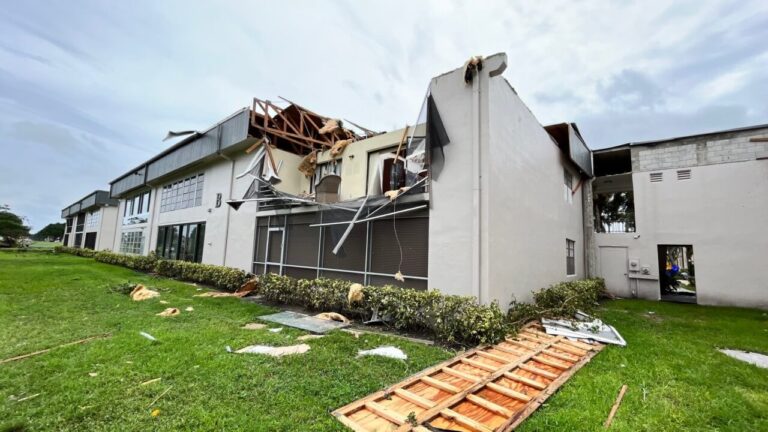
Wind & Hurricane Damage Claims
Wind and hurricane damage claims are among the most aggressively disputed by insurance companies. Because these claims often involve roof systems, structural components, water intrusion, and extensive repairs, insurers routinely deny, delay, or underpay homeowners—especially when hidden damage is involved.
At Aviva Insurance Adjusters, Inc., our Certified Windstorm Appraisers and Umpires specialize in hurricane claims and know exactly how to document wind-related loss for maximum compensation.
Let our experts handle the insurance company while you focus on recovery.
Have You Experienced Wind or Hurricane Damage?
Hurricanes produce extreme wind pressure, flying debris, roof uplift, broken windows, soffit failure, and water intrusion. Even if your home appears mostly intact, wind damage may be extensive beneath the surface.
We routinely see insurers deny hurricane claims by saying:
“Your roof is old.”
“There is no storm-created opening.”
“This was not caused by wind.”
These statements are often incorrect when a professional investigates.
Why Hurricane Damage Is So Extensive
Wind damage is not always visible from the ground. A full inspection often reveals:
Roof shingle uplift
Broken or displaced tiles
Cracked tile underlayment
Missing ridge caps
Bent flashing
Damaged soffits and fascia
Water intrusion into attics
Structural movement
Window frame separation
Even small openings allow wind-driven rain to enter the home and cause widespread interior damage.
We handle claims including:
Hurricane roof damage
Wind-driven rain
Broken windows or doors
Fallen trees
Structural shifting
Ceiling stains and water intrusion
Attic insulation saturation
Mold resulting from storm entry
Hurricane damage must be thoroughly documented—insurance companies rarely do this themselves.
Collateral Hurricane Damage — What Does It Mean?
Hurricane damage involves multiple layers of destruction. “Collateral” damage refers to the additional required repairs beyond the obvious.
Examples of Collateral Hurricane Damage
Example 1: Roof Uplift
Wind loosens shingles or tiles, allowing water to penetrate the underlayment and insulation. These areas must be replaced even if the roof looks intact from above.
Example 2: Attic Moisture
Wind-driven rain enters attic vents or cracks in the roof system, soaking insulation and creating conditions for mold.
Example 3: Matching Law Requirements
Florida Building Code requires matching materials. If a section of roof or siding is affected, insurers may owe for full replacement.
Why You Shouldn’t Rely Only on the Insurance Company’s Adjuster
Hurricane claims are expensive. Insurance companies try to minimize payouts by:
Misclassifying wind damage as “wear and tear”
Ignoring roof uplift not visible to the naked eye
Excluding water damage by claiming “no opening”
Overlooking interior moisture
Minimizing structural displacement
Ignoring mold caused by storm intrusion
A public adjuster ensures:
✔ Drone and ladder inspections are performed
✔ Moisture testing identifies hidden damage
✔ Interior and attic spaces are fully documented
✔ Roof uplift is proven with physical evidence
✔ Building code requirements are enforced
✔ Full claim value—not partial repairs—is paid
Get a FREE Hurricane Damage Inspection & Consultation
We provide:
✓ Full roof inspection including uplift testing
✓ Drone photography
✓ Attic moisture evaluation
✓ Structural assessment
✓ Policy review for wind/hurricane benefits
✓ Full claim handling & negotiation
📞 Call Now — 877-351-1933
Claim Your Insurance
Wind and hurricane damage claims are time-sensitive.
Don’t wait—protect your right to a full settlement.
📞 Call 877-351-1933
🚀 Start Your Claim
Signs of Hidden Wind Damage
Ceiling staining or bubbling paint
Loose shingles or tiles
Warped or cracked soffits
Drafts near windows and doors
Musty attic odor
Light visible through roof decking
Granule loss around the home
If you notice ANY of these, your home may have significant storm damage.
Frequently Asked Questions About
WIND & HURRICANE DAMAGE CLAIMS
Is wind-driven rain covered?
Yes, if wind created an opening.
Is mold from hurricane damage covered?
Yes, under a mold sublimit.
How long do I have to file?
Florida law allows hurricane claims to be filed within specific deadlines—contact us ASAP.
Is roof replacement covered?
Yes, when damage cannot be locally repaired.
Can my claim be denied?
Yes—often incorrectly. We challenge wrongful denials.