
Electrical Surge & Electronics Damage Claims
(Often caused by lightning but can also result from grid fluctuations, transformer failures, and utility issues.)
Electrical surges can destroy household electronics, appliances, HVAC systems, wiring, and control boards instantaneously. Yet surge claims are among the most frequently denied or underpaid property claims because insurance companies often insist there is “no proof” of surge activity or classify the damage as “wear and tear.”
At Aviva Insurance Adjusters, Inc., we specialize in documenting surge-related losses, obtaining verification of electrical events, and proving the cause of failure so your insurer covers what the policy promises.
Let us identify, verify, and document surge-related damage to protect your claim.
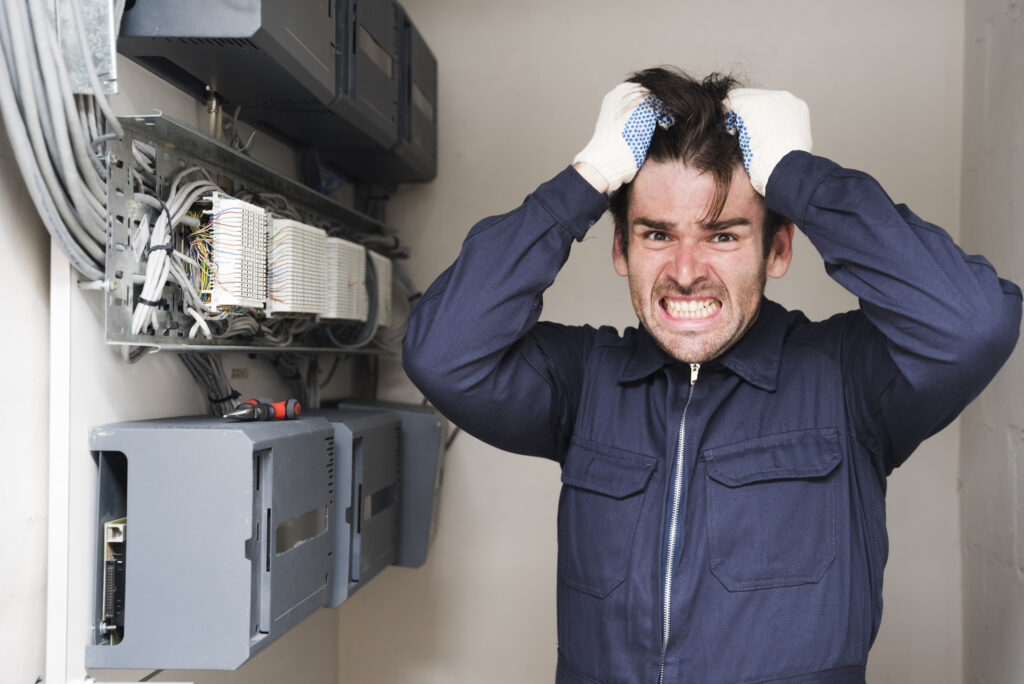
Have Your Appliances or Electronics Suddenly Stopped Working?
Electrical surges often cause failures that homeowners mistakenly attribute to old age or malfunction. In reality, the cause is often a lightning-induced surge or utility event.
- Signs of surge-related damage include:
- Multiple appliances failing at once
- HVAC system not turning on
- Tripped or burnt breakers
- Dead outlets
- Flickering lights
- Routers, TVs, or computers that won’t power up
- Burn smell near panel or outlets
- Control boards and circuit boards malfunctioning
Insurance companies often deny these cases unless supported by expert diagnostics and electrical evidence.
Let us help document the cause correctly.
Why Electrical Surge Damage Is So Common
Homes today depend heavily on electronics and computerized components. Even small surges can destroy sensitive circuitry.
We handle claims involving:
- HVAC compressors, capacitors & control boards
- Refrigerators, dishwashers, washing machines
- Televisions, computers & routers
- Smart home devices
- Garage door motors
- Irrigation systems
- Water heaters
- Pool pumps & pool equipment
- Security system components
A surge may occur:
- During a lightning storm
- When a transformer blows
- During power grid fluctuations
- When the power company restores power after an outage
- From neighboring properties experiencing electrical faults
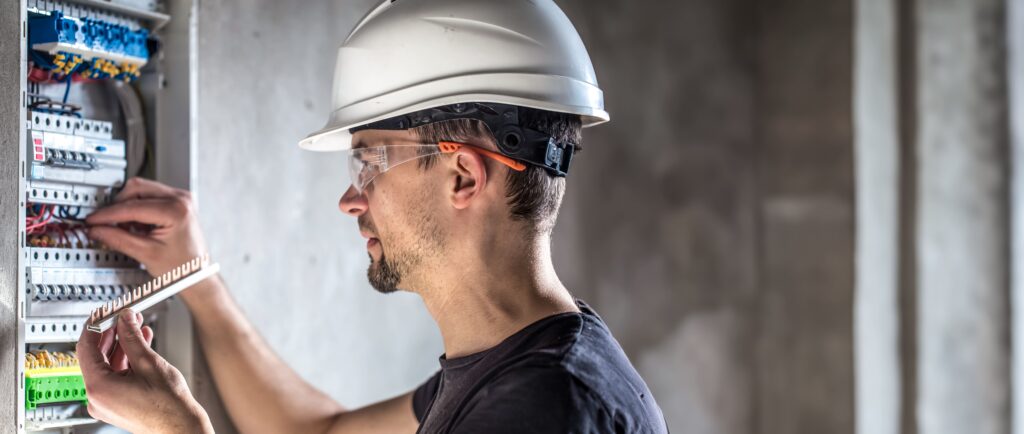
Collateral Electrical Surge Damage — What Does It Mean?
Surges rarely affect just one device. They typically travel through circuits, causing cascading failures.
Examples of Collateral Surge Damage
Example 1: HVAC System Damage
A surge can burn:
- Blower motor
- Capacitor
- Control board
- Thermostat wiring
Insurance companies frequently deny HVAC components unless they are properly tested.
Example 2: Circuit Breaker & Wiring Damage
A surge overheats wiring—damage may be invisible yet dangerous, requiring:
- Circuit replacement
- Panel repair
- GFCI replacement
Rewiring of affected rooms
Example 3: Electronics Failure Across Multiple Rooms
Simultaneous failure of unrelated devices indicates a whole-home surge.
Why You Shouldn’t Rely Only on the Insurance Company’s Adjuster
Electrical surge claims are often dismissed because insurers say:
- “There is no evidence of lightning.”
- “Wear and tear caused the failure.”
- “The item was old.”
- “The damage is not storm-related.”
A public adjuster ensures:
- Lightning verification reports or surge event data are obtained
- Appliance & HVAC diagnostics support the claim
- All affected circuits are tested
- Hidden wiring damage is identified
- Replacement—not repair—is requested where required
- Policy exclusions are correctly challenged
Insurance companies routinely underpay these claims—until we get involved.
Get a FREE Fallen Tree Damage Inspection & Consultation
We provide:
- Surge event verification
- Electrical diagnostics
- HVAC & appliance testing
- Structural evaluation (if fire hazard exists)
- Policy review
- Complete claim preparation and negotiation
Call us now — 877-351-1933
We’re ready to discuss your claim immediately.
Claim Your Insurance
Electrical damage is technical—and insurers count on homeowners not understanding it. Our job is to expose and prove every affected component.
Signs of Hidden Electrical Surge Damage
- Burn smell near outlets or panel
- Tripped breakers you can’t reset
- Appliances dying one-by-one
- Loud buzzing or humming from electrical devices
- HVAC starting but shutting off immediately
- Wi-Fi issues after storms
- Flickering or dimming lights
These indicate deeper system damage.
Frequently Asked Questions About
Electrical Damage Claims
Does insurance cover surge damage?
Yes—if caused by lightning or a sudden electrical event.
What if only one appliance failed?
Other parts may be failing slowly; testing is required.
Do I need diagnostic reports?
Yes. We coordinate licensed experts.
Does insurance cover wiring?
Yes, if damaged by surge or heat.
Can I reopen a denied surge claim?
Yes. We reopen and appeal improperly denied claims.