
Claims guide
Wind-driven rain and interior damage coverage
Key takeaways
- Entry point matters Many policies look at whether wind first created an opening before rain came in.
- Read the wording Your policy’s windstorm and rain language decides how interior water damage is treated.
- Document the opening Photos of the breach and the interior damage help tell the full story.
- Dry things quickly Reasonable temporary protection is usually part of your duties after a loss.
A storm passes, the wind dies down, and then you notice a brown stain spreading across a bedroom ceiling. Water has clearly come in, but the roof may look mostly intact from the ground. In Florida, whether that interior damage is covered often turns on a single question: how did the rain get inside?
Why the entry point matters
Many standard homeowners policies treat interior rain damage differently from damage to the roof itself. A common approach is that rain damage to the inside of the home is covered only when wind or hail first creates an opening in the roof or walls, and the rain enters through that opening.
That means a torn shingle section, a lifted flashing or a broken window can matter as much as the water stain below it. If rain comes in through an opening that was not created by a covered event, the insurer may treat the loss differently. Policies vary, so the exact wording is what counts.
Wind opening versus wear and tear
Not every leak after a storm is a storm leak. Roofs age, sealants dry out, and small gaps can exist long before any wind arrives. Policies generally exclude damage caused by wear, deterioration or long-term seepage, and an adjuster will often look for signs of which one occurred.
Some things an inspection may consider include:
- Whether shingles, tiles or flashing show fresh lifting, creasing or displacement
- Whether debris struck the roof or a window during the storm
- Whether staining looks recent or shows older rings and discoloration
- The age and general condition of the roof covering
These observations can lead to honest disagreement, especially when damage is subtle. A clear record of what you saw, and when, helps everyone work from the same facts.
What to document right away
If it is safe to do so, photograph and video the interior damage before anything is moved or dried. Capture ceilings, walls, flooring and affected belongings, and include wide shots for context along with close-ups. Note the date and time, and keep a brief written account of the weather and what you observed.
If you can safely see the exterior, photograph any visible openings, missing roofing material or broken glass. Do not climb onto a wet or damaged roof. A licensed roofer can document conditions more safely, and their written notes may be useful later.
Protecting the home while you wait
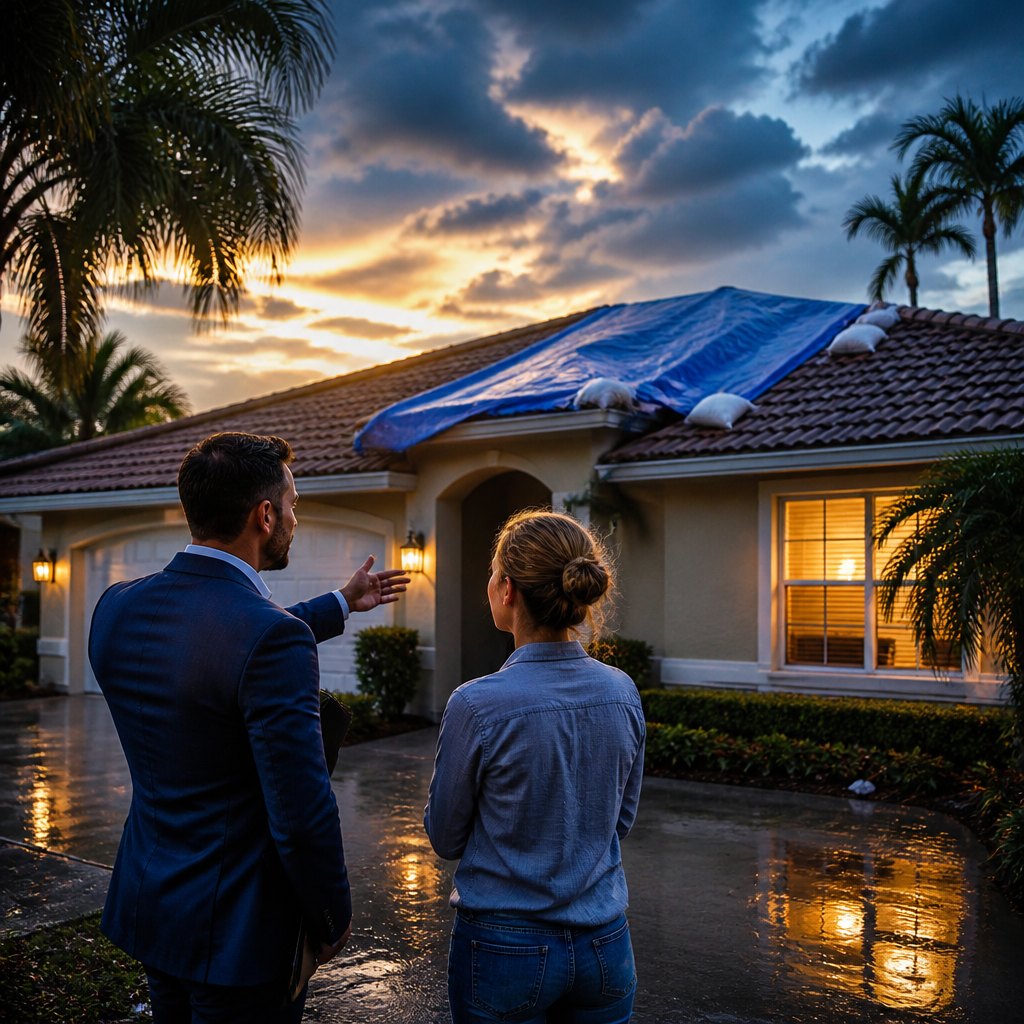
Most policies expect you to take reasonable steps to prevent further damage after a loss. In practice, that can mean placing a tarp over an opening, moving furniture, setting out containers to catch drips and starting to dry out wet areas.
Keep receipts for temporary repairs and mitigation, and save any materials you remove if possible, or photograph them first. Waiting too long can allow moisture to spread and may lead to mold, which many policies limit or treat separately. Acting promptly is not an admission of anything; it is simply part of looking after the property.
Reading your policy language
Look at the sections covering windstorm, rain, interior damage and exclusions. Pay attention to any definitions of “opening,” and to whether a separate hurricane deductible applies to the loss. These details can change how a claim is evaluated, and they are not always obvious on first read.
If your claim is partly accepted, partly denied or described in terms you do not understand, ask for the explanation in writing. A policyholder has the right to understand the basis for a coverage decision, and a clear paper trail makes any later review simpler.
Getting a second set of eyes
Wind-driven rain claims can be technical, because they combine building conditions, weather and policy wording. A public adjuster represents the policyholder, not the insurance company, and can help review the policy, document the damage and communicate with the insurer. Aviva Insurance Adjusters serves property owners throughout Florida, and outcomes always depend on the facts and the policy.
If you have water inside your home after a storm and are unsure where to begin, call 1-877-351-1933 or visit avivapa.com to request a free consultation.
This article is for general educational purposes only and is not legal advice. Every policy and claim is different. Aviva Insurance Adjusters, Corp. is a licensed Florida public adjusting firm (Lic. W869253) and is not affiliated with Aviva plc or any insurance company.