
Navigating the aftermath of a fire can be a daunting experience, particularly when it comes to understanding the complexities of fire damage consultation. Whether you’re a homeowner or a business owner in Florida, knowing how to approach this situation is crucial. This guide will walk you through the essential steps for a comprehensive consultation, ensuring you’re well-prepared to restore and rebuild.
1. Understanding the Impact of Fire Damage
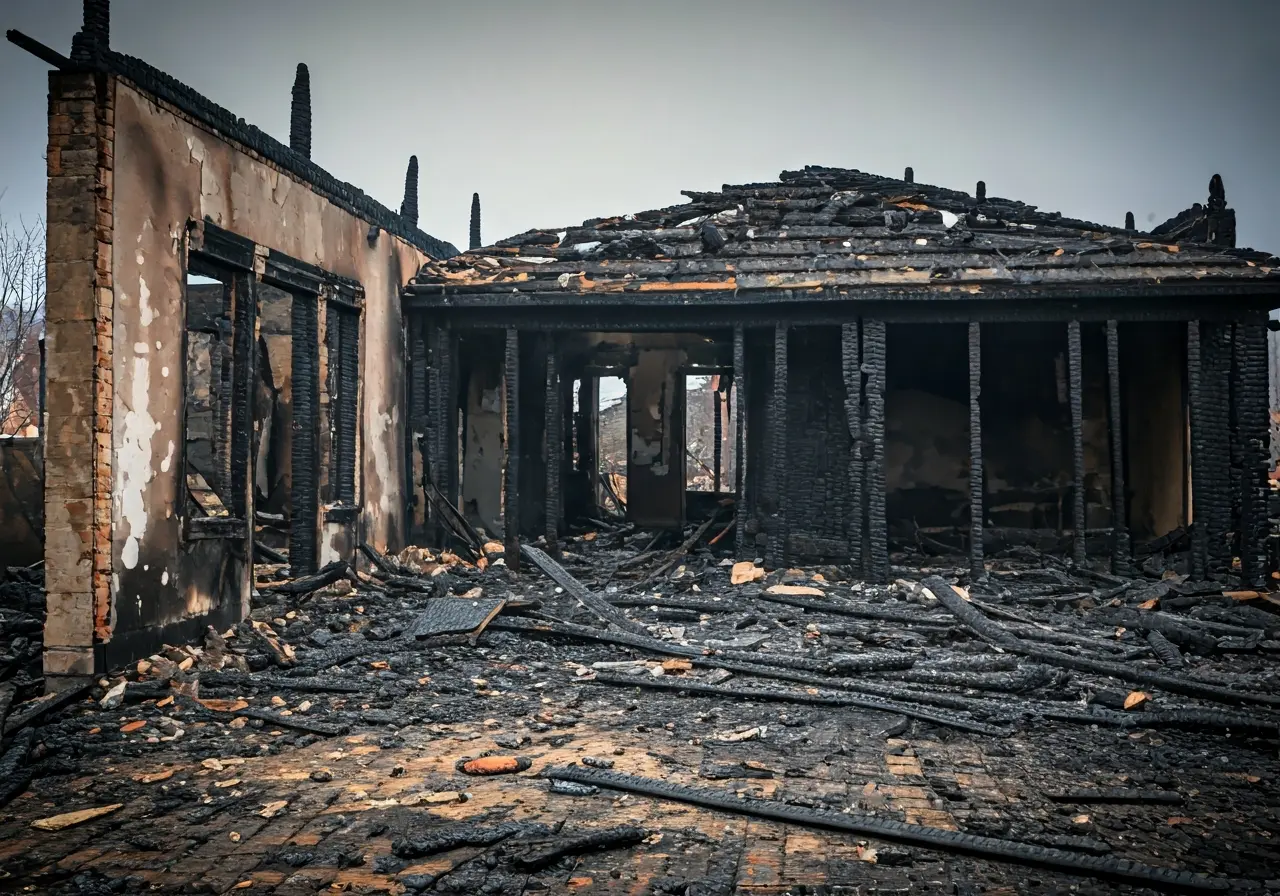
Grasping the ramifications of fire damage is the first step in the consultation process. This includes recognizing both visible and hidden damages that might affect your property’s structural integrity and value. The aftermath of a fire can leave behind a range of issues, such as smoke damage, structural weakening, and even water damage from firefighting efforts. By identifying these factors, you can better plan your path to recovery and restoration.
Fire can cause significant damage not only to the structure itself but also to electrical systems and personal belongings. Understanding these impacts helps in drafting a comprehensive repair plan. It’s crucial to acknowledge the possibility of hidden damages that may not be immediately visible. For instance, smoke can penetrate walls and fabrics, lingering long after the flames have been extinguished.
2. Assessing Property Condition Post-Fire
Conducting a detailed assessment of your property helps identify specific areas that need attention. This involves checking the structural aspects, interior damages, and any lingering smoke or soot issues. Often, what appears intact may have underlying damages that require professional evaluation. A meticulous inspection not only aids in understanding the current state of your property but also in prioritizing the restoration tasks.
The assessment should be thorough, covering everything from the foundation to the roof. It’s advisable to engage a professional who can spot potential hazards that aren’t immediately obvious. They will also look into secondary damages like water damage from fire extinguishing efforts. Focusing on these elements ensures that no part of the property is overlooked during restoration efforts.
3. Documentation and Evidence Collection
Gathering photos, videos, and other documentation is crucial for insurance claims and consultations. Proper evidence collection supports your case and provides clarity on the extent of the damage. It’s recommended to take photographs from various angles and, if possible, record detailed video walkthroughs of the affected areas. This comprehensive collection of evidence is instrumental in facilitating smoother communication with insurance companies.
Furthermore, organizing and carefully storing these documents ensures you have everything at hand when needed. Consider keeping backups of all digital documentation to prevent any data loss. Clear documentation can also be beneficial when discussing repair plans with contractors and when explaining the situation to adjusters. Keep in mind that thorough records can streamline the claims process and maximize your potential reimbursement.
4. Contacting a Fire Damage Specialist
Engaging with a professional who specializes in fire damage is key. They bring expertise and insights that are invaluable in planning recovery and restoration efforts. These specialists are well-versed in identifying both immediate and long-term damage implications. Their guidance can be pivotal in determining the most effective restoration strategies suitable for your unique situation.
Not only do these specialists help in assessing and planning restoration, but they can also assist with coordinating other necessary services. From structural repairs to content cleaning, they provide comprehensive solutions. Ultimately, the right specialist will work with you to ensure the safety and renewed viability of your property, offering peace of mind during a challenging time.
5. Understanding Insurance Policies and Coverage
Reading and comprehending your insurance policies can help outline what is covered. This understanding is vital to ensure a smooth claims process and appropriate compensation. Insurance policies can be complex, with specific coverages and exclusions that affect your claim significantly. Knowing these details allows you to manage expectations and prepare accordingly for any uncovered expenses.
It’s beneficial to discuss your policy with your insurance agent to clarify any doubts you may have. They can help explain the nuances of your coverage and suggest any potential policy adjustments. Understanding your insurance coverage in detail allows you to approach your restoration and repair process strategically, ensuring all eligible repairs are accounted for in your claim.
6. Communication with Insurance Adjusters
Maintaining open and clear communication with your insurance adjuster can facilitate better results in your claims process. It’s important to provide them with all necessary information and documentation. An adjuster’s role is to evaluate the damages and determine the compensation owed under your policy. Establishing a collaborative relationship can aid in keeping the claims process smooth and efficient.
Regular updates and transparency in communication help avoid misunderstandings. Ensure you provide comprehensive documentation and promptly address any queries your adjuster might have. Effective communication can also help in negotiating claims terms, ensuring that you receive the maximum benefit allowed under your policy. Prioritize responding promptly and maintaining records of all interactions.
7. Exploring Restoration Options
Exploring different restoration methods and companies gives you a broader perspective on how to proceed. This step is crucial to ensure the selection of services that best suit your needs. Restoration can vary significantly in terms of approaches and costs, making it essential to consider all options available to you. Consult with multiple companies and gather estimates to compare what each offers.
By weighing various options, you can make an informed decision that balances quality, cost, and timeline. Ensure the chosen company uses safe and environmentally friendly methods where possible. This diligence not only guarantees a high standard of restoration but also aligns with your priorities and budget constraints.
8. Budgeting for Restoration Costs
Planning and budgeting for restoration costs helps you manage financial expectations and prepare for any out-of-pocket expenses that may arise during the recovery process. Obtain detailed quotes from restoration companies and account for any additional costs that might be incurred. This forethought is crucial to avoid unexpected financial burdens.
Prudent budgeting also involves considering potential delays and additional repairs that could increase overall costs. Establish a buffer in your budget to accommodate unforeseen expenses. Remember, investing in quality restoration is pivotal to ensuring the longevity and safety of your property. Cost assessments should also consider any upgrade opportunities that could enhance your property’s value and safety.
9. Legal Considerations to Keep in Mind
Under certain circumstances, having legal guidance can help navigate any complex issues that arise. This could include disputes over coverage or liability concerns. Legal professionals can offer guidance on understanding and upholding your rights, which can be invaluable when dealing with third parties during a recovery process.
Exploring legal options early on can prevent conflicts from escalating into lengthy disputes. An attorney can assist with negotiating settlements or understanding contractual obligations, ensuring that you are treated fairly and in compliance with all legal requirements. It’s particularly important if your case involves large financial sums or if you’re dealing with multiple stakeholders.
10. Planning for Future Fire Safety
Once recovery is underway, making plans to enhance fire safety for the future is important. Implementing better safety measures ensures peace of mind and readiness against potential future incidents. This could include installing modern fire detection systems, using fire-resistant building materials, and arranging for regular safety inspections of your property.
Creating a comprehensive fire safety plan involves understanding the latest in fire prevention technology and best practices. Educate yourself and any occupants about routine safety measures and emergency procedures. Investing in this knowledge, along with securing the right equipment, can significantly reduce the likelihood of future fire incidents, safeguarding both lives and property.