
Claims guide
What a Florida public adjuster does after property damage
Key takeaways
- Who they represent A public adjuster works for the policyholder, not the insurance company.
- What they do They review the policy, document damage and communicate with the insurer on your behalf.
- Fees Fees are set out in a written contract, so read it closely before signing.
- Not for every claim Whether to hire one depends on the damage, the policy and your own circumstances.
After a storm, a fire or a burst pipe, the insurance claim can feel like a second ordeal. A public adjuster is one resource available to Florida policyholders who want help understanding the process. This article explains what the role involves and what to weigh before deciding.
Whom a public adjuster represents
A public adjuster is a licensed professional who works on behalf of the policyholder. This differs from the adjuster an insurance company assigns, who works for the insurer and evaluates the loss on its behalf.
In Florida, public adjusters must hold a state license and operate under rules set out in the Florida Statutes. Their role is to help you present your claim clearly and completely. They cannot guarantee any particular outcome, and no reputable professional will suggest otherwise.
What the work involves
Much of a public adjuster’s work happens in the background. It begins with a close reading of your policy, which is often dense and filled with technical terms. Understanding deductibles, exclusions, limits and notice requirements helps you make informed decisions.
From there, the work typically includes:
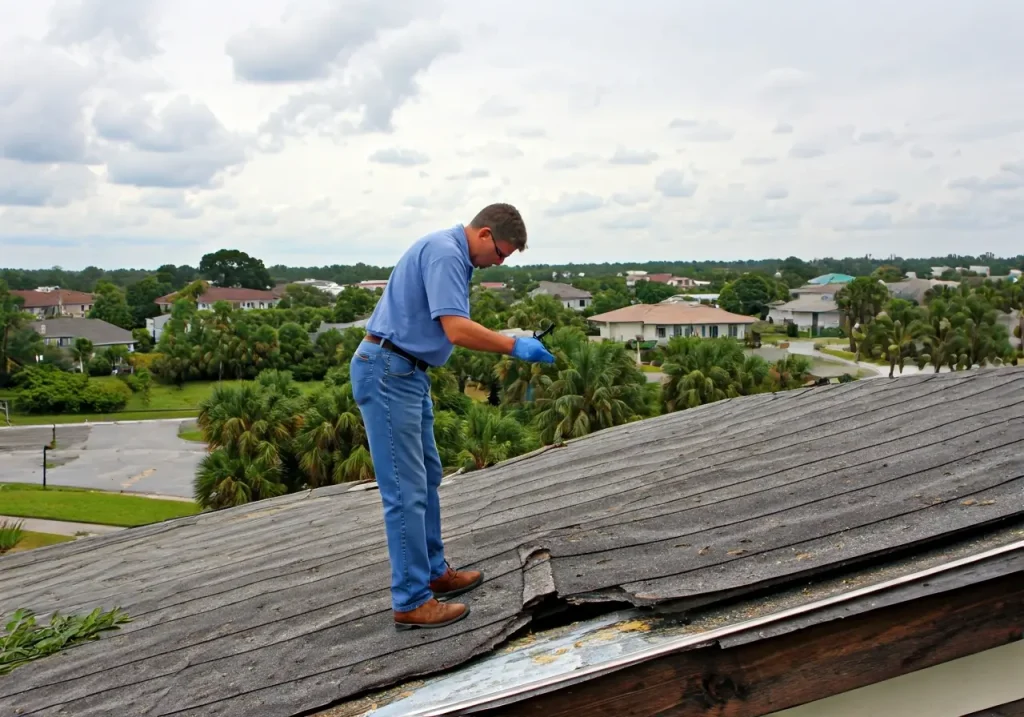
- Inspecting the property and documenting damage with photographs and notes
- Preparing an estimate of repair or replacement costs
- Organizing receipts, records and supporting paperwork
- Communicating with the insurance company about the claim
Why local conditions matter
Homes in Pasco, Pinellas, Hillsborough and Hernando counties face a particular mix of risks. Wind, wind-driven rain, flooding, roof damage and moisture-related problems are all part of life on the Gulf Coast. Each can raise its own questions about coverage and documentation.
Familiarity with construction methods and local building practices can help when damage is being described and scoped. A clear, well-organized record is often the most useful thing a policyholder can bring to a claim.
Weighing the decision
Some claims are straightforward, and a homeowner may be comfortable handling them directly. Others involve extensive damage, a complicated policy or a disagreement with the insurer over scope. In those situations, many people prefer to have a professional manage the paperwork and communication.
Public adjusters are typically paid a percentage of the claim, as agreed in a written contract. Before signing anything, it is wise to:
- Confirm the adjuster’s Florida license
- Read the fee terms and understand how they apply
- Ask what services are included and how communication will work
Hiring one is a personal decision. It is also appropriate to speak with your insurer, and with an attorney if you have legal questions about your rights.
Speak with Aviva Insurance Adjusters
If you have property damage and want to understand your options, our team is glad to talk it through. We are a licensed Florida public adjusting firm based in Hudson, serving Pasco, Pinellas, Hillsborough and Hernando counties.
Call 1-877-351-1933 or visit avivapa.com to request a free consultation.
This article is for general educational purposes only and is not legal advice. Every policy and claim is different. Aviva Insurance Adjusters, Corp. is a licensed Florida public adjusting firm (Lic. W869253) and is not affiliated with Aviva plc or any insurance company.